Structured Cabling (Copper
 & Fiber)
Structured Cabling (Copper & Fiber)
Meet the passionate minds and dedicated professionals who power our journey toward excellence. They are the driving force behind our innovation, growth, and continued success.
Structured Cabling (Copper & Fiber)
Structured Cabling (Copper & Fiber)
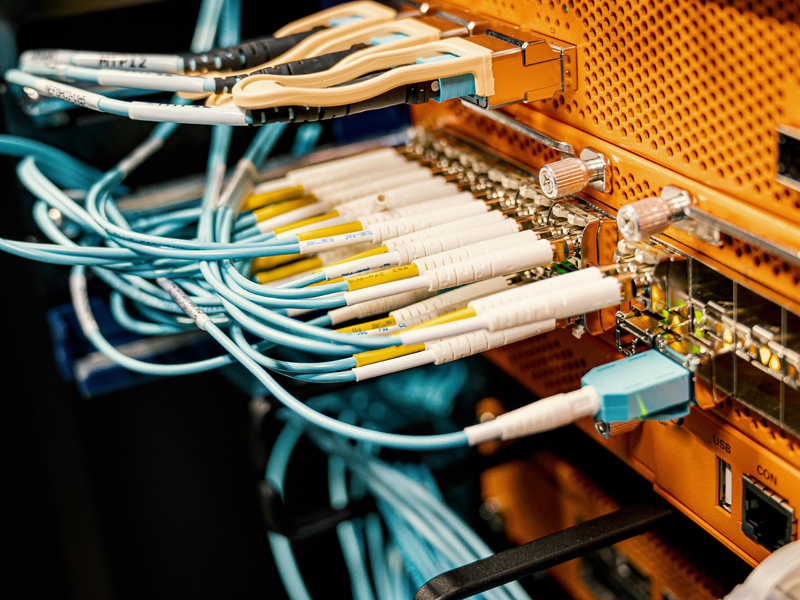
Structured cabling systems utilize both copper and fiber optic cables. Copper cables, like Cat5e, Cat6, and Cat6a, are common for shorter distances and lower bandwidth needs, while fiber optic cables excel in high-speed, long-distance data transmission and are resistant to interference.
Get a look of
Our Solutions & Services

Copper (Cabling)
Solution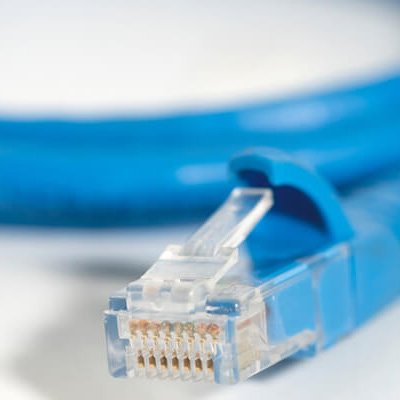
Ethernet Cables
These are the most common type of copper cable used for data transmission in local area networks (LANs). They consist of twisted pairs of copper wires and are categorized based on their performance capabilities, such as Cat5e, Cat6, and Cat6a.
Solution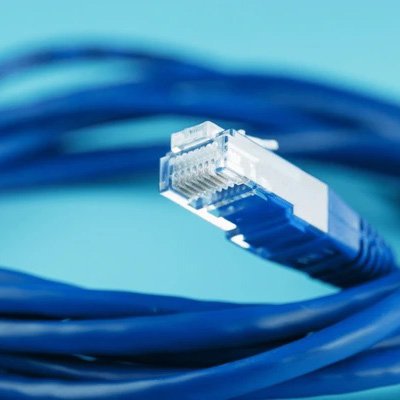
Patch Cables
These are shorter cables used to connect devices to patch panels or wall outlets. They are typically made of stranded copper conductors for flexibility and are available in various lengths and categories.
Solution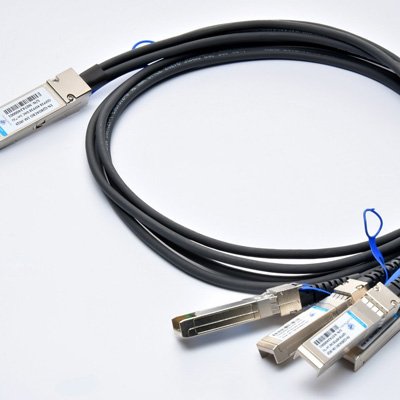
Direct Attach Copper (DAC) Cables
These are pre-terminated cables with transceivers permanently attached at both ends, often used for short-distance connections in data centers.
Fiber (Cabling)
Solution
Single-Mode Fiber
Long-distance telecommunications, high-bandwidth data transmission, and backbone networks.
Solution
Multi-Mode Fiber
Short to medium distances, such as in data centers, local area networks (LANs), and some enterprise networks.
Applications
Application - 1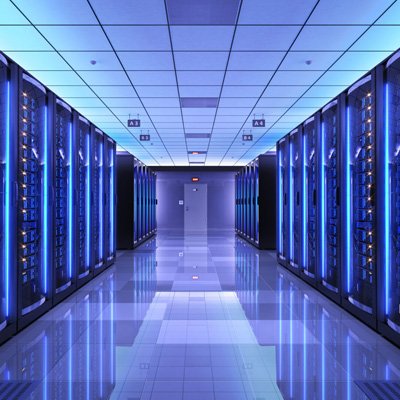
Application - 2
Office Buildings
Application - 3
Educational Institutions
Application - 4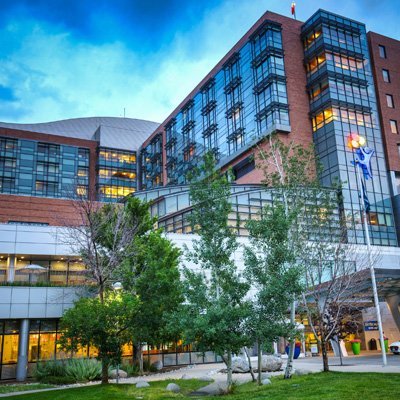
Hospitals
Application - 5
Industrial Facilities
Application - 6
Retail Outlets
Application - 7
Residential Buildings

Frequently Asked Questions
We provide reliable and scalable digital solutions to help businesses grow faster. Our team focuses on delivering high-quality services, modern technology, and long-term support to ensure your success. Below are some of the most common questions our clients ask before working with us.
- Simplified Installation and Management
- Improved Performance and Reliability
- Scalability and Flexibility
- Reduced Downtime
- Cost-Effectiveness
- Support for Multiple Systems and Applications