Cybersecurity for
 ELV Networks
Cybersecurity for ELV Networks
Meet the passionate minds and dedicated professionals who power our journey toward excellence. They are the driving force behind our innovation, growth, and continued success.
Cybersecurity for ELV Networks
Cybersecurity for ELV Networks
Cybersecurity for Extra Low Voltage (ELV) networks is crucial because these systems, which include security cameras, access control, and fire alarms, are increasingly interconnected and vulnerable to cyberattacks. Compromised ELV systems can lead to data breaches, disruption of building functions, and unauthorized access. Implementing robust cybersecurity measures, such as zero-trust architectures, AI-driven anomaly detection, and encryption, is essential to protect these critical systems.

Get a look of
Our Solutions & Services

Solution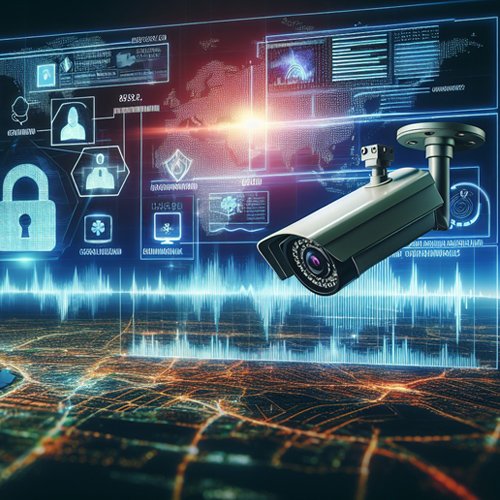
CCTV Surveillance
High-definition IP cameras with AI-powered analytics for real-time monitoring and threat detection.
Solution
Access Control
Biometric authentication (fingerprint, facial recognition) and RFID-based access control.
Solution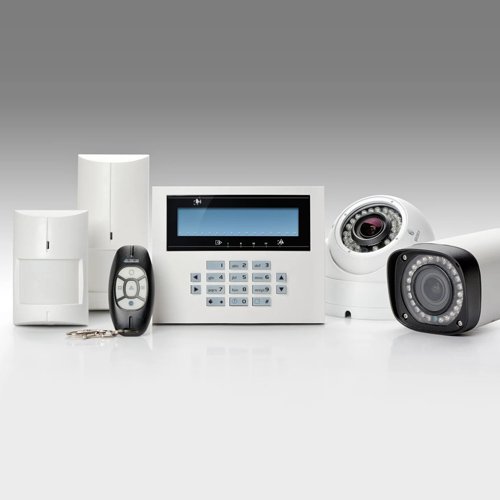
Intrusion Detection and Alarm Systems
Secure communication channels for alarm signals to prevent tampering or interception.
Applications
Application - 1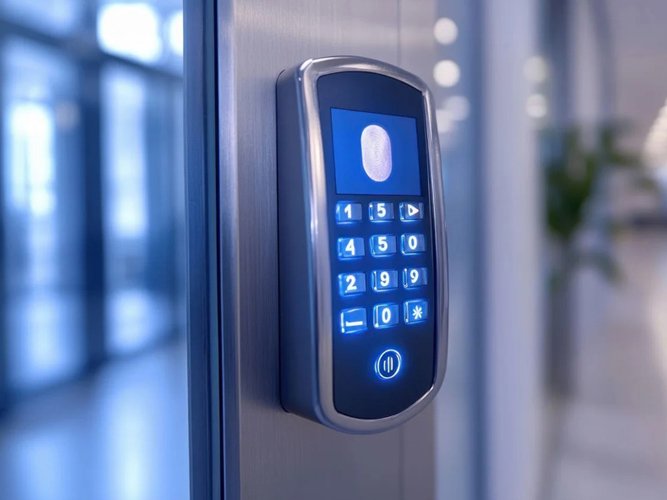
Application - 2
User Access Management
Application - 3
Industrial Facilities
Application - 4
Network Security
Application - 5
Integrated Security Management

Frequently Asked Questions
We provide reliable and scalable digital solutions to help businesses grow faster. Our team focuses on delivering high-quality services, modern technology, and long-term support to ensure your success. Below are some of the most common questions our clients ask before working with us.
ELV networks, like any other network, are vulnerable to various attacks, including:
- Malware: Malware can disrupt operations, steal data, or gain unauthorized access to control systems.
- Phishing attacks: Phishing emails can trick users into revealing sensitive information or downloading malware.
- Ransomware: Ransomware can cripple operations by locking out users from critical systems.
- Unauthorized access: Unsecured access points or weak passwords can allow attackers to gain entry to the network.
- Denial-of-service (DoS) attacks: These attacks can overwhelm the network, making it unavailable.